
Anaphylaxis is a severe, life-threatening allergic reaction that can occur within minutes to hours after exposure to an allergen.
Recognizing the signs quickly and using epinephrine right away can save a life.
Common Signs of Anaphylaxis
Use epinephrine immediately if any of the following occur:
• Trouble breathing
(wheezing, coughing, throat tightness)
• Swelling
(lips, tongue, or throat)
• Skin symptoms with breathing trouble
(hives, rash, itching)
• Repeated vomiting or severe cramping
especially with other symptoms
• Fainting, weakness, or loss of consciousness
When in Doubt — Use Epinephrine
If you think someone is having a severe allergic reaction:
Use epinephrine first.
Then call 911.
Antihistamines such as Benadryl® or Zyrtec® do not treat anaphylaxis.
Epinephrine is the only first-line treatment.
Helpful Reminders
Epi First. Epi Fast.
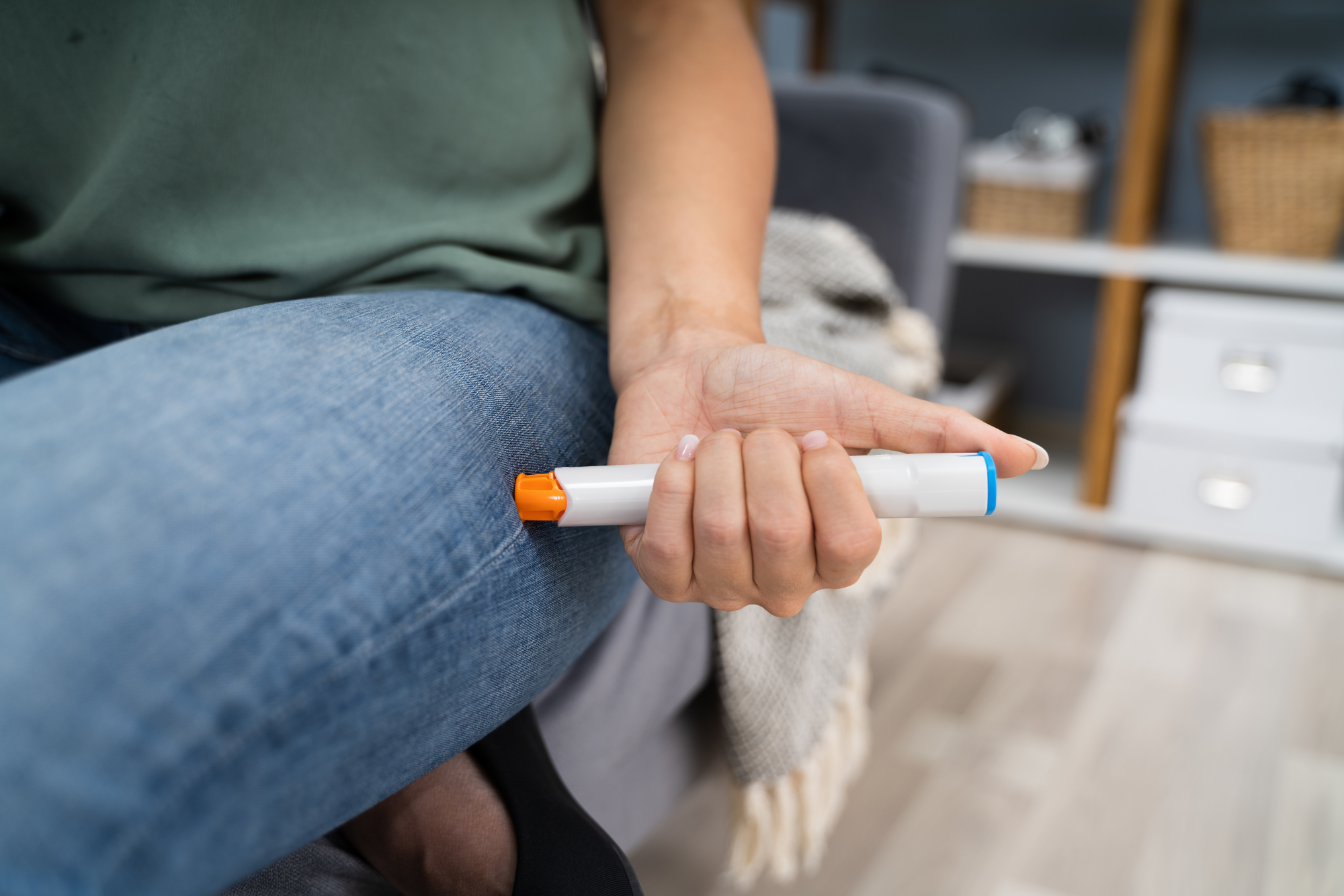
Blue to the Sky,
Orange to the Outer Thigh
Epinephrine can be given through clothing.
If symptoms continue, a second dose may be needed in 10–15 minutes, as directed by your physician.
About Expired Epinephrine
Always keep epinephrine up to date when possible.
If an injector appears yellow or cloudy, it should not be used.
If it is clear, it may still provide some effectiveness in an emergency — but always follow your physician’s guidance.
Learn More About Allergies
For a deeper understanding of allergies, asthma, and anaphylaxis:
All About Allergies
by Dr. Zachary Rubin
➡️ Explore more allergy and safety resources
Important: Always follow your physician’s emergency care plan. This page is provided for educational purposes only and is not a substitute for medical advice.
Last updated: March 2026